New UK Casino Brands Persist in Launching Despite Heightened Regulatory and Tax Burdens
Iris Richter · Aug 29, 2026

New UK Casino Brands Persist in Launching Despite Heightened Regulatory and Tax Burdens
Regulatory adjustments in the United Kingdom have introduced notable pressures on the online gambling sector, yet new casino brands maintain a consistent presence on the market through established operational structures, and this pattern holds steady into August 2026 as additions continue on official records.
Regulatory Adjustments Taking Effect in 2026
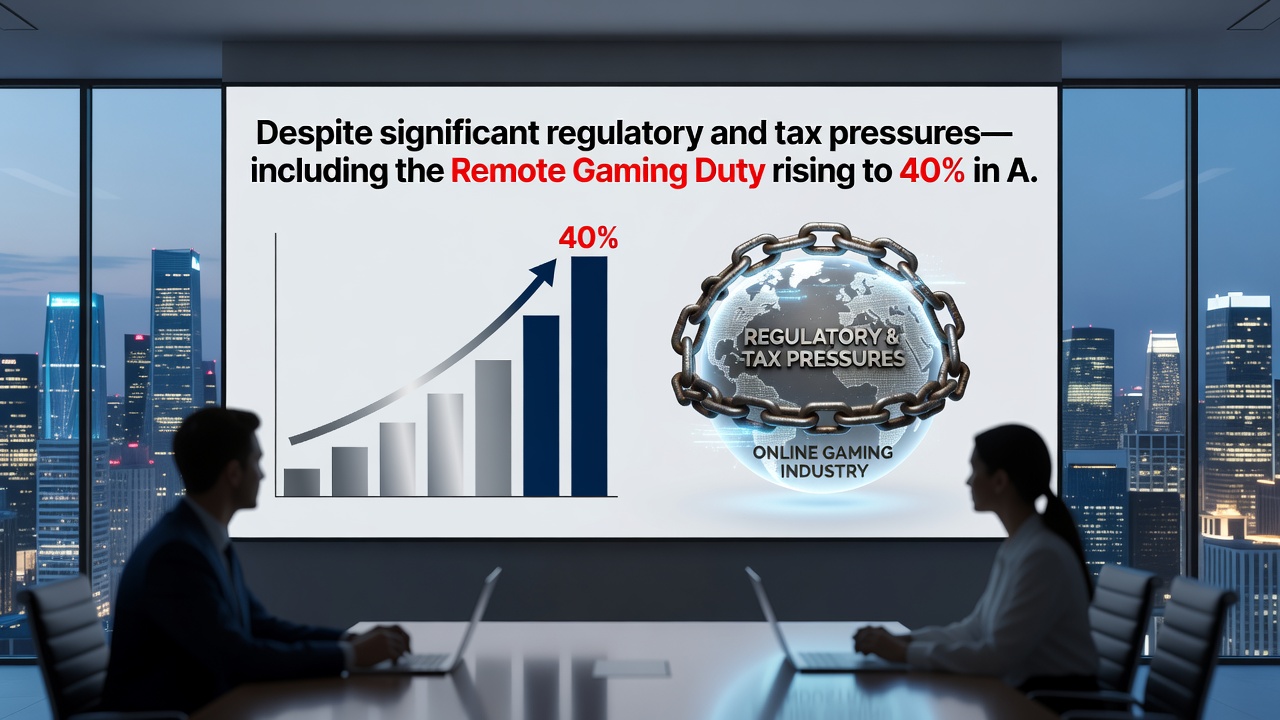
The Remote Gaming Duty rises to 40 percent starting April 2026, while the Gambling Commission implements a 25 percent increase in licence fees from October 2026, and these measures form part of broader efforts to adjust the financial framework surrounding remote gambling activities, yet the pace of new brand entries shows no immediate reduction according to data from the regulator's public register.
Operators face these combined increases alongside existing compliance requirements, and industry participants observe that such conditions prompt strategic adaptations rather than outright contraction in market activity, with the register reflecting ongoing entries through the summer months of 2026.
White-Label and Multi-Skin Models Lower Entry Barriers
Platform providers such as Skill On Net Limited operate under white-label and multi-skin arrangements that allow partner brands to launch without securing independent licences, and this structure shifts the burden of regulatory compliance and fee management to the primary licence holder while branded sites appear on the consumer-facing side.
Examples include Betcrown and 44aces, both scheduled for introduction in 2026 under these arrangements, and similar setups enable multiple branded experiences to operate from shared backend infrastructure, which reduces duplication of licensing processes and supports continued market expansion even as duty and fee obligations rise.
Mechanics of Platform Sharing
Under the multi-skin approach one licensed entity manages core operations including player fund protection, game aggregation, and reporting to the Gambling Commission, whereas partner brands focus on marketing and user acquisition through distinct interfaces, and this division of responsibilities keeps administrative overhead contained for newer entrants.
Register Activity Remains Uninterrupted
Figures from the Gambling Commission's public register of licensees show that the flow of new entries has not slowed despite the announced tax and fee changes, and observers tracking these additions note that white-label arrangements account for a substantial portion of recent listings through mid-2026.
The register functions as the central record of authorised operators, and continued updates to this list indicate that platform providers maintain capacity to onboard additional skins without disruption, even while overall sector costs increase from April onward.
Examples of 2026 Brand Launches
Betcrown enters the market under a white-label partnership that places licensing and compliance responsibilities with the host platform, and 44aces follows a parallel path with its own branded presentation supported by the same operational model, both slated for 2026 rollout.
These cases illustrate how multiple consumer-facing sites can emerge from a single licensed base, and the approach allows differentiation in themes, promotions, and user interfaces while core regulatory obligations remain centralised, which aligns with the steady register activity observed into August 2026.
Implications for Market Structure
The persistence of new launches points to a market structure where established platform operators absorb regulatory costs at the licence level, and smaller or emerging brands gain access through partnership agreements that distribute revenue while shielding partners from direct fee exposure.
Data tracked via the regulator's register confirms that such arrangements sustain entry rates, and the pattern holds across the period leading into the duty adjustment of April 2026 and the subsequent fee increase later that year.
Conclusion
White-label and multi-skin frameworks operated by companies like Skill On Net Limited enable ongoing brand introductions in the UK online casino space, and the Gambling Commission's register continues to record new additions without deceleration through August 2026, even as the Remote Gaming Duty moves to 40 percent and licence fees rise by 25 percent from October onward. The structure supports compliance centralisation alongside brand-level market presence, maintaining the documented pace of entries under the prevailing regulatory conditions.